


Disclosure:Links on this site are affiliate links, meaning at no additional cost to you, I may earn a commission if you make a purchase through these links. I only recommend products or services I believe will add value to your travel adventures. Thank you for your support!
Introduction
Nestled in the Gulf of Thailand, Koh Samui stands as the nation’s second-largest island and a quintessential tropical paradise. Known for its stunning palm-fringed beaches, lush coconut groves, and dense, mountainous rainforests, the island offers an idyllic retreat for travelers seeking both relaxation and adventure. The geographical layout of Koh Samui is diverse, featuring not only serene coastlines but also rugged terrains that invite exploration.
Koh Samui enjoys a tropical monsoon climate, characterized by warm temperatures year-round and distinct wet and dry seasons. The months from December to February mark the dry season, making it the best time to visit when the weather is most favorable. The island exudes a relaxed yet vibrant vibe, seamlessly blending luxury and natural beauty, which appeals to a wide range of visitors.
Brief History
Koh Samui, nestled in the Gulf of Thailand, boasts a rich history that has significantly shaped its present-day allure. Originally, Koh Samui was a quiet fishing community inhabited by Malay and Chinese settlers. These early inhabitants lived off the island’s abundant natural resources, particularly the sea, which provided a steady supply of fish and seafood. For centuries, Koh Samui remained largely isolated from the mainland, with limited infrastructure and communication. This seclusion preserved its pristine environment and traditional way of life.
The transformation of Koh Samui began during the Vietnam War era. The island’s strategic location made it an ideal rest and relaxation spot for American soldiers stationed in Southeast Asia. This period marked the beginning of Koh Samui’s journey into the global spotlight. The influx of foreign visitors brought with it a surge in infrastructure development, including the construction of roads, the establishment of basic amenities, and the introduction of new business opportunities. This era sowed the seeds for Koh Samui’s tourism industry, which would flourish in the decades to come.
As the years passed, Koh Samui evolved from a tranquil retreat into a bustling tourist destination. The 1980s and 1990s saw a surge in tourism, with travelers drawn to the island’s idyllic beaches, lush landscapes, and vibrant culture. The island’s development continued apace, with the emergence of luxury resorts, fine dining establishments, and a plethora of recreational activities catering to international visitors. Despite this rapid growth, Koh Samui has managed to retain much of its natural beauty and cultural heritage.
Significant historical landmarks dot the island, offering glimpses into its storied past. The Big Buddha Temple (Wat Phra Yai), constructed in 1972, stands as a prominent spiritual and cultural symbol. Additionally, the ancient pagoda at Laem Sor and the charming Fisherman’s Village in Bophut serve as reminders of Koh Samui’s historical and cultural evolution. These landmarks, alongside the island’s enduring traditions and customs, provide a rich tapestry that continues to enchant and educate visitors from around the globe.
Population of Koh Samui
70,000
Most Visited Tourist Attraction
Big Buddha Temple (Wat Phra Yai)
Currency
Thai Baht
Language
Thai
Top 10 Things to See and Do
Koh Samui, a jewel in the Gulf of Thailand, offers a myriad of attractions that cater to diverse interests. From pristine beaches to cultural landmarks, there is something for everyone. Here are the top 10 things to see and do on the island.
- Big Buddha Temple (Wat Phra Yai): The Big Buddha Temple is one of Koh Samui’s most iconic landmarks. Standing 12 meters tall, this golden statue is located on a small island connected by a causeway. Visit early in the morning or late afternoon to avoid crowds and enjoy serene views.
- Wat Plai Laem: Wat Plai Laem is a colourful and intricately designed temple complex featuring a giant statue of Guanyin, the Goddess of Mercy. The serene surroundings and elaborate artwork make it a must-see cultural site. Early mornings are ideal for a peaceful visit.
- Fisherman’s Village: Located in Bophut, Fisherman’s Village is a charming blend of old-world charm and modern amenities. Stroll through the narrow streets lined with boutique shops, cafes, and restaurants. Visit on Friday evenings for the bustling night market.
- Na Muang Waterfalls: Na Muang Waterfalls consist of two stunning cascades, Na Muang 1 and Na Muang 2. These natural wonders offer a refreshing escape from the heat. The best time to visit is during the rainy season when the water flow is at its peak.
- Ang Thong National Marine Park: A short boat ride from Koh Samui, Ang Thong National Marine Park is a paradise for nature enthusiasts. Explore pristine beaches, hidden lagoons, and vibrant coral reefs. Snorkeling, kayaking, and hiking are popular activities here.
- Chaweng Beach: Chaweng Beach is Koh Samui’s most popular and busiest beach, known for its white sands and vibrant nightlife. It’s ideal for sunbathing, swimming, and water sports. Visit during the day for a more relaxed experience.
- Lamai Beach: Quieter than Chaweng, Lamai Beach is perfect for those seeking a more laid-back atmosphere. The beach is renowned for its clear waters and picturesque views. Early mornings and late afternoons offer the best times for a peaceful visit.
- Secret Buddha Garden: Hidden in the hills of Koh Samui, the Secret Buddha Garden is a tranquil haven filled with statues and lush greenery. Created by a local Samui fruit farmer, this enchanting garden offers a unique, off-the-beaten-path experience.
- Hin Ta and Hin Yai Rocks: Known as the Grandfather and Grandmother Rocks, these natural rock formations are famous for their unusual shapes. Located near Lamai Beach, they offer stunning coastal views. Visit during low tide for the best photo opportunities.
- Samui Elephant Sanctuary: The Samui Elephant Sanctuary provides a safe haven for rescued elephants. Visitors can learn about these gentle giants and observe them in a natural environment. Morning and afternoon tours are available, offering an educational and ethical experience.
Top 5 Adrenaline Fuelled activities
For those with a thirst for adventure, Koh Samui is more than a picturesque island; it is a playground teeming with exhilarating activities. The following are the top five adrenaline-pumping experiences you can indulge in during your visit.
- Jungle Zip-Lining: Experience the thrill of soaring through the lush canopy of Koh Samui’s tropical rainforest. Jungle zip-lining offers an unparalleled view of the island’s natural beauty while providing a heart-pounding rush. Companies like Treetop Adventures and Sky Fox organize these tours, ensuring safety with professional gear and guides. Expect a mix of high-speed descents and breathtaking aerial views.
- ATV/ Quad bike Tours: For a rugged off-road adventure, ATV tours offer a unique way to explore Koh Samui’s diverse landscapes. Riders navigate through dense jungles, muddy trails, and scenic viewpoints. Samui Quad Motor is a popular provider, offering various packages that cater to both beginners and seasoned riders. Helmets and safety briefings are mandatory, ensuring a safe yet thrilling ride.
- Kitesurfing: Harness the power of the wind and glide across the ocean surface with kitesurfing. Lamai Beach and Mae Nam Beach are prime spots for this activity, with schools like Kiteboarding Asia providing lessons for all skill levels. Safety is paramount, with certified instructors and state-of-the-art equipment. Expect a steep learning curve, but the rewards are well worth the effort.
- Scuba Diving: Dive into the vibrant underwater world surrounding Koh Samui. The island is a gateway to some of Thailand’s best dive sites, including Sail Rock and Chumphon Pinnacle. Dive centers such as Discovery Dive Centre offer PADI courses, ensuring you are well-prepared and safe. Encounter colorful coral reefs, exotic marine life, and even whale sharks in their natural habitat.
- Muay Thai Boxing: Immerse yourself in Thailand’s national sport, Muay Thai. Whether you are a seasoned fighter or a novice, training sessions offer an intense physical challenge. Gyms like Superpro Samui and Lamai Muay Thai Camp provide classes taught by experienced fighters. Safety gear is provided, and trainers emphasise proper techniques to minimise injury while maximising the experience.
Top 5 Luxury Accommodations in Koh Samui
Koh Samui, renowned for its pristine beaches and vibrant culture, offers an array of luxury accommodations for discerning travelers. Among the most exquisite are five premier establishments, each providing an unparalleled experience marked by opulence and exclusivity.
- Four Seasons Resort Koh Samui: First on the list is the Four Seasons Resort Koh Samui. Nestled on the island’s northwestern coast, this resort offers private villas, each with its own infinity pool and panoramic views of the Gulf of Thailand. Guests can indulge in the world-class spa, which features holistic treatments inspired by Thai traditions, and dine at the resort’s acclaimed restaurant, Koh Thai Kitchen, which serves authentic Thai cuisine using fresh, local ingredients.
- W Koh Samui: Next, the W Koh Samui stands out for its contemporary design and vibrant atmosphere. Located on the north shore, this beachfront resort features luxurious villas with private pools, a renowned spa, and exceptional dining options, including the signature restaurant Namu, known for its innovative Japanese dishes. The W Koh Samui also boasts a lively beach club, making it a favorite for those seeking both relaxation and entertainment.
- Banyan Tree Sumui: The Banyan Tree Samui is another top-tier option, situated in a private bay on the southeastern coast. This resort is celebrated for its eco-friendly design, private villas with stunning sea views, and extensive spa that offers a range of wellness therapies. Dining experiences here include the beachfront Sands Restaurant, which offers fresh seafood and international cuisine, and Saffron, a signature Thai restaurant.
- Six Senses Samui: For those seeking a more intimate setting, the Six Senses Samui provides a serene escape with its 66 private villas, many of which feature private pools and spectacular views of the surrounding landscape. Located on the northern tip of the island, this resort emphasizes sustainability and wellness, offering a comprehensive spa menu and farm-to-table dining at Dining on the Rocks, which provides a unique culinary experience with its innovative, sustainable dishes.
- Conrad Koh Samui: Finally, the Conrad Koh Samui offers a secluded paradise on the southwestern tip of the island. This resort features luxurious villas with infinity pools and breathtaking ocean views. The Conrad Spa is renowned for its extensive treatment menu, and guests can enjoy a variety of dining options, including Jahn, which offers contemporary Thai cuisine, and Azure Bar and Grill, known for its fresh seafood and international fare.
Each of these luxury accommodations in Koh Samui provides a unique blend of comfort, elegance, and exceptional service, ensuring an unforgettable stay for those seeking the ultimate in island luxury. From private villas and beachfront resorts to world-class spas and gourmet dining, these top-tier establishments exemplify the best of what Koh Samui has to offer.
Budget-Friendly Accommodations in Koh Samui
Travelling to Koh Samui on a budget does not mean sacrificing comfort or convenience. The island offers an array of budget-friendly accommodations that promise a pleasant stay without breaking the bank. Here, we present the top five budget-friendly accommodations that provide excellent value for money, ensuring that travelers can enjoy their stay while keeping expenses in check.
- Chaweng Garden Beach Resort: Located in the heart of Chaweng, this resort offers easy access to the vibrant nightlife and pristine beaches. With rooms starting at just $40 per night, guests can enjoy air-conditioned rooms, free Wi-Fi, and a complimentary breakfast. The resort also boasts a swimming pool and lush gardens, making it a perfect retreat after a day of exploration.
- The Nest Samui: Nestled in the quieter area of Bophut, The Nest Samui offers cozy and well-maintained bungalows starting at $30 per night. Each bungalow comes with modern amenities, including free Wi-Fi, air conditioning, and a private balcony. The resort’s proximity to Fisherman’s Village makes it an excellent choice for those looking to experience local culture and cuisine.
- Samui Mermaid Resort: This beachfront property in Bangrak provides a serene and picturesque setting. Room rates start at $25 per night, and guests can choose between garden view and sea view rooms. The resort features two swimming pools, a beachfront bar, and a restaurant, ensuring a comfortable and enjoyable stay.
- Lub d Koh Samui Chaweng Beach: Perfect for solo travelers and young adventurers, Lub d Koh Samui offers dormitory beds starting at $15 per night and private rooms at $40 per night. The hostel features a lively social atmosphere, a swimming pool, co-working spaces, and organized activities, making it an ideal place to meet fellow travelers.
- The Lodge: Situated in the bustling area of Lamai Beach, The Lodge offers budget accommodation with rooms starting at $20 per night. Guests can enjoy air-conditioned rooms with private bathrooms and free Wi-Fi. The beachfront location provides stunning views and easy access to local attractions, bars, and restaurants.
These budget-friendly accommodations in Koh Samui ensure that travelers can enjoy the island’s beauty and vibrant culture without compromising on comfort. By choosing any of these options, visitors can experience a memorable and affordable stay in this tropical paradise.

Getting from the Airport to your Hotel
Upon arriving at Samui International Airport, travelers will find several transportation options to reach their accommodations. Each method offers varying levels of convenience, cost, and travel time, catering to different preferences and budgets.
For those seeking the utmost convenience and comfort, private transfers are an excellent choice. These services can be pre-booked online or arranged at the airport. Private transfers provide a direct and hassle-free journey to your hotel, with the added benefit of personalized service. The cost for a private transfer can be higher than other options, but it ensures a smooth and stress-free experience, particularly after a long flight.
Taxis are another popular and readily available option at Samui International Airport. They offer a balance between convenience and cost, making them a suitable choice for many travelers. Taxi fares are generally metered, but it’s advisable to confirm the approximate cost with the driver before starting your journey. The travel time to most hotels on the island is relatively short, typically ranging from 15 to 45 minutes, depending on your destination.
For budget-conscious travelers, airport shuttle buses present an economical alternative. These shuttles operate on fixed routes and schedules, providing shared transport to various key locations on the island. While this option is more affordable, it may involve longer travel times and less flexibility compared to private transfers or taxis. Shuttle services can be booked at the airport upon arrival.
Lastly, car rentals offer the freedom to explore Koh Samui at your own pace. Several car rental companies have counters at the airport, allowing travelers to pick up a vehicle upon arrival. Renting a car can be cost-effective, especially for those planning to explore different parts of the island. However, it’s essential to be familiar with local driving conditions and regulations before opting for this mode of transport.
By considering these options—private transfers, taxis, airport shuttle buses, and car rentals—travelers can choose the best transportation method to suit their needs and start their Koh Samui adventure with ease.
“Not all those who wander are lost.”
J.R.R. Tolkien
Getting to Koh Samui from other parts of Thailand
Reaching Koh Samui, Thailand’s paradise island, is a straightforward process with several transportation options available from various parts of the country. Each mode of travel offers unique conveniences and experiences, catering to different preferences and budgets.
From Bangkok, the most common and efficient way to get to Koh Samui is by air. Direct flights are available from Suvarnabhumi Airport (BKK) and Don Mueang Airport (DMK), operated by airlines like Bangkok Airways and Thai Airways. The flight duration is approximately 1 hour and 15 minutes, with ticket prices ranging from 2,000 to 4,000 THB, depending on the season and booking time.
For travelers preferring a combination of land and sea travel, an alternative route involves taking a train or bus from Bangkok to Surat Thani, followed by a ferry to Koh Samui. Trains from Hua Lamphong Railway Station to Surat Thani take about 8-12 hours, with tickets costing between 500 and 1,500 THB. Buses from Bangkok to Surat Thani also take around 10-12 hours, with prices ranging from 400 to 1,000 THB. Upon arrival in Surat Thani, a ferry ride to Koh Samui typically takes 1.5 to 2 hours, costing around 300 to 500 THB.
Traveling from Phuket to Koh Samui is most conveniently done by flight, with direct services provided by Bangkok Airways. The flight time is roughly 55 minutes, with prices starting around 2,500 THB. Alternatively, a combination of bus and ferry can be taken, with buses running from Phuket Bus Terminal to Surat Thani, followed by a ferry to Koh Samui. This journey takes approximately 6-8 hours in total, with a combined cost of around 600 to 1,000 THB.
From Chiang Mai, the quickest way to reach Koh Samui is by flying, usually with a layover in Bangkok. The total journey time is around 3-4 hours, with tickets costing between 3,000 and 6,000 THB. For a more budget-friendly option, travelers can take a bus or train to Bangkok and continue their journey as previously described.
For those starting their journey from Krabi, direct ferries to Koh Samui are available, taking about 3-4 hours and costing around 700 to 1,200 THB. Another option is to take a bus or minivan to Surat Thani and then a ferry, with the total travel time being around 5-6 hours and costing approximately 500-900 THB.
Regardless of your starting point, there are numerous options available for reaching Koh Samui, each offering its own set of advantages. By considering factors such as time, cost, and personal preferences, travelers can select the most suitable method to begin their journey to this idyllic island destination.
Best Ways to Get Around Koh Samui
Navigating Koh Samui is relatively straightforward, thanks to the island’s well-developed infrastructure. Whether you prefer the flexibility of renting a vehicle or the convenience of local transportation, there are several options to consider for getting around Koh Samui.
One popular choice is renting a scooter. Scooters offer an economical and efficient way to explore the island, especially for solo travelers or couples. Rentals are widely available, with prices ranging from 150 to 300 THB per day. It is advisable to check the condition of the scooter and ensure you have a valid driver’s license. Always wear a helmet and be mindful of road conditions and traffic rules.
If you’re traveling with a group or prefer a more comfortable ride, renting a car is an excellent option. Several international and local car rental agencies operate on the island. Daily rental rates typically start at 800 THB, depending on the vehicle type. Ensure you have comprehensive insurance and familiarize yourself with local driving laws. Having a car allows you to explore Koh Samui at your own pace, reaching more remote locations with ease.
For a more traditional experience, consider using songthaews, which are shared pick-up trucks converted into passenger vehicles. These are the most common form of public transport on the island, operating on fixed routes. Fares are relatively low, usually between 20 and 100 THB, depending on the distance. While songthaews are less private, they offer an authentic local experience and are a budget-friendly option.
Taxis are another convenient mode of transportation in Koh Samui, with metered and fixed-rate options available. They provide a comfortable and hassle-free way to get around, especially for short distances or airport transfers. To avoid overcharging, it’s recommended to agree on the fare before starting the journey or ensure the meter is used.
For those who enjoy a slower pace and a more eco-friendly mode of travel, bicycles can be rented from various shops around the island. Cycling is an excellent way to explore Koh Samui’s scenic beauty while staying active. Rental costs are modest, typically around 50 to 150 THB per day. Always wear a helmet and stay hydrated, especially during the hotter months.
By choosing the mode of transportation that best suits your needs, you can ensure a pleasant and unforgettable experience while exploring the beautiful island of Koh Samui.
Where to Take Photos
Koh Samui is an idyllic destination for photographers, boasting a multitude of picturesque locations that are perfect for capturing unforgettable moments. Here are the top five spots for stunning photos on this paradise island:
- Big Buddha Statue: The Big Buddha statue, a towering 12-meter-high monument, is one of Koh Samui’s most iconic landmarks. Located at Wat Phra Yai, this majestic statue is best photographed at sunrise or sunset when the golden light enhances its grandeur. The panoramic views from the temple also provide a fantastic backdrop for landscape shots.
- Secret Buddha Garden: Hidden away in the island’s lush interior, the Secret Buddha Garden is a serene escape filled with intricate statues and lush greenery. The garden’s mystical ambiance makes it ideal for ethereal and tranquil photos. Early morning light filtering through the trees adds a magical touch to the images captured here.
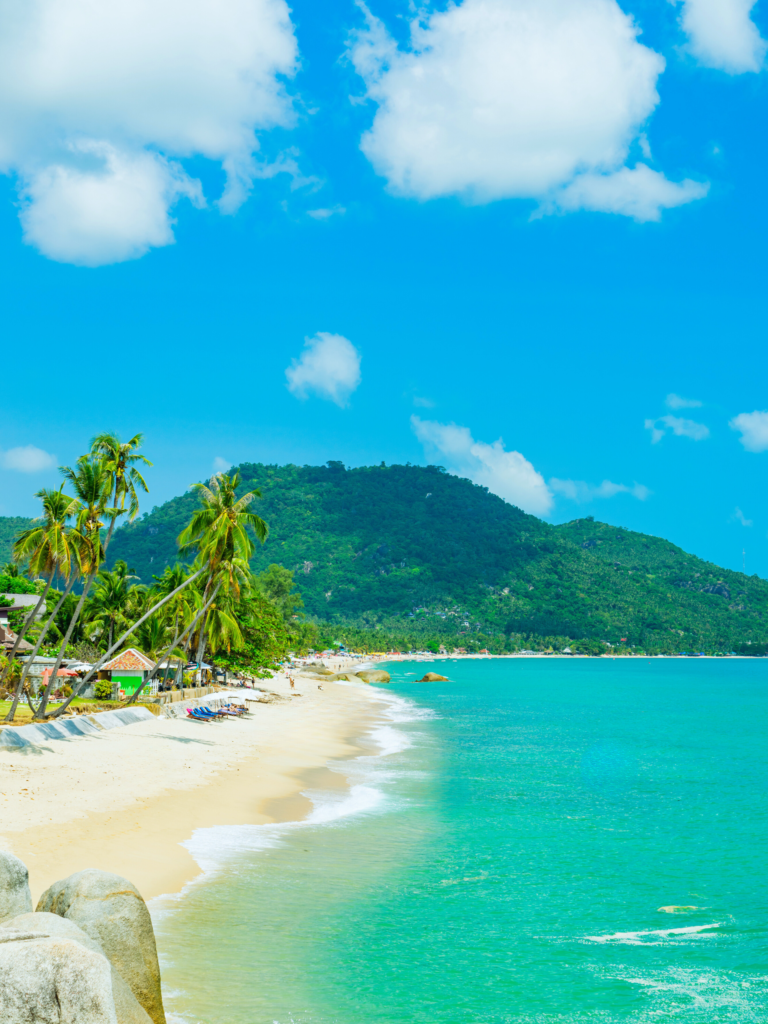
- Chaweng Beach: Chaweng Beach, with its pristine white sands and turquoise waters, is a quintessential tropical paradise. The vibrant beach scene is perfect for capturing lively and colorful shots. For the best light, visit during the early morning or late afternoon to avoid harsh midday sun and to catch the soft, warm hues of the golden hour.
- Fisherman’s Village: Fisherman’s Village in Bophut offers a charming blend of traditional Thai architecture and modern amenities. The narrow streets and rustic buildings provide a picturesque setting for street photography. Visit during the evening when the village is bustling with activity, and the warm glow of lanterns creates a romantic atmosphere.
- Hin Ta and Hin Yai Rocks: Hin Ta and Hin Yai Rocks, also known as Grandfather and Grandmother Rocks, are famous for their unique, naturally occurring formations. These intriguing rock shapes make for captivating photos, especially against the backdrop of the sparkling sea. The best time to visit is during the late afternoon when the light is softer, and the rocks cast interesting shadows.
Each of these locations offers its own unique charm and opportunities for stunning photography. Whether you’re a professional photographer or simply someone who loves capturing beautiful moments, Koh Samui’s diverse landscapes and iconic landmarks provide the perfect canvas for your creative expression.

Top 5 Restaurants in Koh Samui
Koh Samui, an island renowned for its stunning beaches and vibrant culture, is equally celebrated for its diverse culinary scene. From fine dining establishments to casual beachfront eateries, the island offers an array of gastronomic experiences that cater to every palate. Here, we explore the top 5 restaurants in Koh Samui, each promising a unique dining adventure.
- The Dining Room at Rocky’s Boutique Resort: Nestled within a lush tropical garden, this restaurant offers a serene and intimate dining experience. The menu features a fusion of Thai and international cuisine, with standout dishes like the Pan-Seared Sea Bass and the Massaman Curry. The elegant ambiance, combined with impeccable service, makes it a must-visit for those seeking a sophisticated meal.
- Baan Rim Nam: For those looking to indulge in authentic Thai flavors, Baan Rim Nam is an excellent choice. Located by the river in a traditional Thai house, this restaurant serves up classic dishes such as Tom Yum Goong and Pad Thai. The rustic charm of the setting, along with the use of fresh, locally sourced ingredients, ensures an unforgettable culinary experience.
- Dining on the Rocks at Six Senses Samui: If a beachfront dining experience is what you seek, Dining on the Rocks at Six Senses Samui offers just that. Perched on a cliff with panoramic ocean views, this restaurant specializes in modern European cuisine with an Asian twist. Signature dishes like the Wagyu Beef Tenderloin and the Tuna Tataki are not to be missed. The breathtaking location and innovative menu make it a perfect spot for a romantic dinner.
- Stacked: Another notable mention is Stacked, located in Chaweng. Known for its gourmet burgers and casual vibe, Stacked is ideal for a laid-back meal. The extensive menu features a range of comfort foods, from the classic Cheeseburger to the indulgent Lobster Mac and Cheese. Its lively atmosphere and friendly staff make it a popular choice among both locals and tourists.
- Dr. Frogs Bar & Grill: Finally, for a unique fusion of Mediterranean and Thai cuisine, Dr. Frogs Bar & Grill stands out. Overlooking the Gulf of Thailand, this restaurant offers dishes such as Grilled Octopus Salad and Thai Green Curry. The blend of flavors, along with the stunning sea views, creates a dining experience that is both delightful and memorable.
These top 5 restaurants in Koh Samui not only highlight the island’s diverse culinary offerings but also promise to leave a lasting impression on any food enthusiast. Whether you’re in search of fine dining or a casual beachfront meal, Koh Samui’s vibrant restaurant scene has something to offer everyone.
Once a year, go someplace you’ve never been before.
Dalai Lama
Best Time of Year to Visit Koh Samui
Koh Samui’s climate is characterized by warm temperatures throughout the year, making it a desirable destination no matter the season. However, each period brings its unique flavor and conditions, which can significantly influence the type of experience you’ll have. To help you plan your trip effectively, let’s delve into what each season offers.
The dry season, spanning from December to February, is particularly favored by tourists. During this time, you can expect clear skies, warm sunshine, and minimal rainfall. Average temperatures range from 24°C to 30°C (75°F to 86°F), providing the perfect setting for beach activities, island hopping, and outdoor adventures. The downside, however, is that this is also the peak tourist season, leading to higher accommodation rates and crowded attractions.
Next, the hot season, occurring between March and May, sees a rise in temperatures, often reaching up to 35°C (95°F). While the heat can be intense, it’s an excellent period for water-based activities such as snorkeling, diving, and swimming, as the sea remains calm and inviting. The hot season also coincides with the Thai New Year, Songkran, in April, a festival worth experiencing if you’re keen on immersing yourself in local culture. Be prepared for occasional heatwaves and ensure you stay hydrated.
Finally, the rainy season from June to November brings a different charm to Koh Samui. Though this period is marked by frequent showers and occasional storms, it rarely rains all day. Temperatures hover around 26°C to 29°C (79°F to 84°F), and the island’s lush greenery comes alive. This season is ideal for budget travelers, as the influx of tourists diminishes, leading to more affordable accommodations and less crowded attractions. However, some water activities might be restricted due to rough sea conditions.
By understanding the nuances of each season, you can tailor your visit to Koh Samui to match your preferences, ensuring a memorable and enjoyable stay on this beautiful Thai island.

A good traveler has no fixed plans, and is not intent on arriving.
Lao Tzu
Key Events Throughout The Year
Koh Samui, a paradise island in Thailand, is not only renowned for its stunning beaches but also for its rich cultural tapestry and vibrant community events that span the entire year. Each month brings unique festivities, offering visitors a glimpse into the island’s heritage and an opportunity to participate in memorable experiences.
- January & February: Starting the year off in January, Koh Samui celebrates the New Year with various beach parties and fireworks displays, particularly around Chaweng Beach. February marks the Chinese New Year, where the island comes alive with colourful parades, lion dances, and traditional Chinese cultural performances, primarily centred in Nathon Town.
- March: In March, the Samui Regatta draws sailing enthusiasts from around the globe. This internationally acclaimed event, held at Chaweng Beach, features competitive yacht races and social events, making it a highlight for both participants and spectators. April brings the Songkran Festival, Thailand’s traditional New Year celebration, which is renowned for its water fights and street parties. The entire island, especially Chaweng and Lamai, transforms into a lively battleground of water splashing and festivity.
- May & June: May sees the Samui Bike Week, an event that attracts motorbike enthusiasts with its parades, bike shows, and concerts. In June, the Samui International Jazz Music Festival takes center stage, offering a week of live jazz performances by local and international artists at various venues across the island.
- July & August: Within these two months, the island hosts the Samui Latin and Jazz Week, which brings a fusion of Latin rhythms and jazz melodies to the shores of Koh Samui.
- September: The month features the Samui Open Beach Volleyball Tournament, attracting top-tier teams and avid fans to the beaches of Chaweng.
- October: October is highlighted by the Vegetarian Festival, a nine-day event marked by colorful processions and a variety of vegetarian delicacies, reflecting the island’s Chinese community’s religious observances.
- November: Loy Krathong Festival is one of the most picturesque events which occurs in Novembers, where locals and visitors gather around lakes and rivers to release beautifully decorated floating baskets (krathongs) as a gesture of gratitude to the water goddess.
- December: Finally, December brings the Christmas and New Year celebrations back, with festive decorations, special dinners, and beachfront parties that ensure a memorable end to the year. Each of these events offers a unique experience, showcasing the vibrant culture and warm hospitality of Koh Samui, making it a year-round destination for traveler’s.
Top Romantic Proposal Spot
Koh Samui, with its pristine beaches and lush landscapes, offers a plethora of enchanting locations perfect for a romantic proposal. Here are the top five spots that promise to make your moment truly unforgettable.
- Silver Beach: For those seeking a secluded and intimate setting, Silver Beach is the ideal choice. Nestled between Chaweng and Lamai, this hidden gem boasts powdery white sands and crystal-clear waters. The serene atmosphere, coupled with the stunning backdrop of the ocean, creates a magical ambiance. A sunset proposal here, with the sky ablaze in hues of pink and orange, is sure to leave a lasting impression.
- Lad Koh Viewpoint: If panoramic views are what you desire, Lad Koh Viewpoint offers a breathtaking vantage point. Located along the scenic coastal road between Chaweng and Lamai, this spot provides sweeping vistas of the island and the Gulf of Thailand. As the sun dips below the horizon, casting golden reflections on the water, it’s the perfect moment to pop the question. The dramatic scenery will undoubtedly heighten the romance of the occasion.
- Four Seasons Resort Koh Samui: For an opulent proposal, the Four Seasons Resort Koh Samui offers an unparalleled setting. This luxurious resort features private villas with infinity pools overlooking the ocean. Imagine proposing on a private terrace, surrounded by the lush tropical landscape and the soothing sounds of the waves. The resort’s impeccable service ensures every detail is taken care of, making your proposal truly special.
- Secret Buddha Garden: The Secret Buddha Garden, hidden in the hills of Koh Samui, provides a unique and serene environment for a proposal. This tranquil garden is adorned with statues and sculptures amidst verdant greenery. The peaceful ambiance, combined with the mystical charm of the garden, makes it an extraordinary spot to ask for your partner’s hand in marriage. The serene surroundings will make the moment even more memorable.
- Fisherman’s Village: For couples who appreciate a blend of tradition and modernity, Fisherman’s Village in Bophut is an excellent choice. This charming area is lined with quaint boutiques, cafes, and beachfront restaurants. A proposal during a romantic dinner by the sea, under the twinkling fairy lights, offers an enchanting experience. The village’s picturesque setting and vibrant atmosphere create a perfect backdrop for a heartfelt proposal.
Each of these locations in Koh Samui offers a unique and romantic setting for a proposal, ensuring that your special moment is as unforgettable as the island itself.
Koh Samui on The Map
Travel Advice When Visiting Koh Samui
To ensure a smooth and enjoyable trip to Koh Samui, it is essential to be well-prepared with practical travel advice. First and foremost, health and safety should be a priority. It is advisable to carry a basic first aid kit and any necessary prescription medications. Additionally, travelers should consider getting vaccinations for common travel-related illnesses such as Hepatitis A and B, typhoid, and tetanus. It’s also wise to drink bottled water to avoid any potential stomach issues.
Cultural etiquette is another important aspect to consider. Thailand has a rich cultural heritage, and respecting local customs can enhance your travel experience. For instance, it is customary to greet people with a “wai,” a slight bow with the palms pressed together. When visiting temples, dress modestly by covering your shoulders and knees, and always remove your shoes before entering. Public displays of affection are frowned upon, so it’s best to be discreet.
Navigating currency exchange is straightforward in Koh Samui. The local currency is the Thai Baht (THB), and it’s advisable to carry some cash for small purchases. ATMs are widely available, and credit cards are accepted in most hotels and larger restaurants. For convenience, it is recommended to exchange money at reputable exchange booths or banks, which generally offer better rates than airport kiosks.
Packing the right items can make a significant difference in your trip. Essential items include lightweight clothing, swimwear, sunscreen, insect repellent, and a reusable water bottle. Don’t forget a universal adapter for your electronics. For those planning to explore the island, comfortable walking shoes and a waterproof bag are recommended.
Understanding local customs and language basics can also be beneficial. Learning a few simple Thai phrases such as “hello” (sawasdee), “thank you” (kop khun), and “excuse me” (kor tod) can go a long way in fostering goodwill. Most locals in tourist areas speak some English, but a little effort to communicate in Thai will be greatly appreciated.
Common travel challenges such as navigating transportation can be managed with some preparation. Koh Samui offers various transport options including taxis, songthaews (shared trucks), and motorbike rentals. Always agree on a fare beforehand to avoid misunderstandings.
Subscribe Now.
PICK A COUNTRY